About CEL

Learn how the Critical Evidence Library curates, reviews, and documents critical cases for serious study.
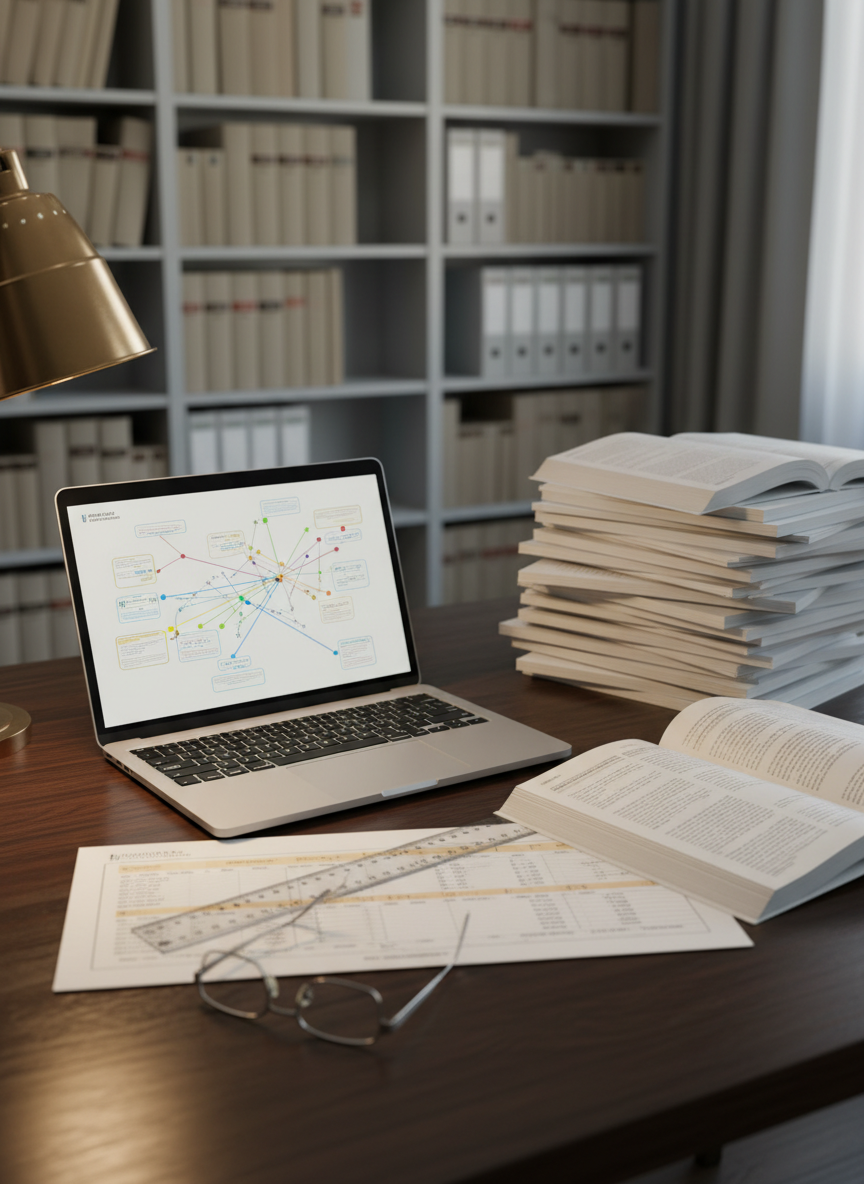
A meticulously arranged, photographic still life of evidence-based research materials on a dark wooden desk: a laptop showing abstract, multicolored network diagrams, a stack of peer-reviewed journal facsimiles with visible but unreadable formatting, a clear ruler aligning a printed timeline, and a pair of plain, unbranded reading glasses folded neatly beside them. The background shows a softly blurred, floor-to-ceiling bookshelf filled with neutral-toned binders and reference volumes. Warm, directional desk-lamp lighting pools over the workspace, creating gentle highlights on paper and metal edges, with cooler ambient light from an unseen window balancing the scene. Shot from a three-quarter angle with moderate depth of field, the atmosphere is scholarly, rigorous, and analytical, ideal for an About or methodology page.
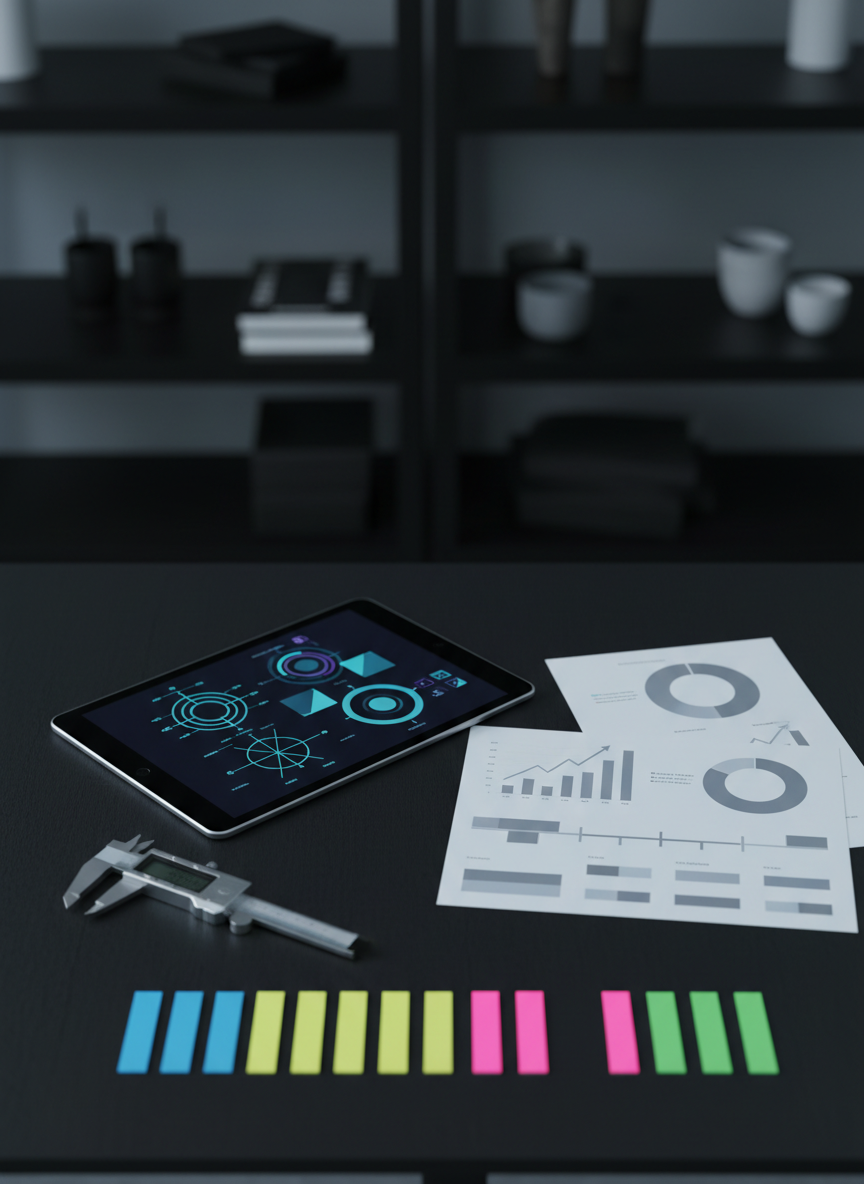
An overhead, photographic shot of a matte black worktable covered with an organized spread of analytical tools: a powered-on tablet showing abstract data visualizations, printed pages with clean charts and timelines, a slim digital caliper, and color-coded sticky markers arranged in straight lines. No text is readable, only geometric shapes and graphs. The table surface has a subtle brushed texture, surrounded by dark shelving fading into soft blur. Cool, diffused studio lighting from above highlights edges and creates clear, controlled shadows. The composition follows the rule of thirds, with the tablet slightly off-center, conveying a mood of focused, evidence-based investigation without sensationalism, suited for visual essays and case study work.

Mission and Editorial Standards

Critical Evidence Library documents systemic failures and accountability through rigorously sourced case studies. We prioritize transparency in methods, open citations, and clear regulatory context. Explore the topic library, read full case analyses, and download visual essays for teaching.

Editorial Team
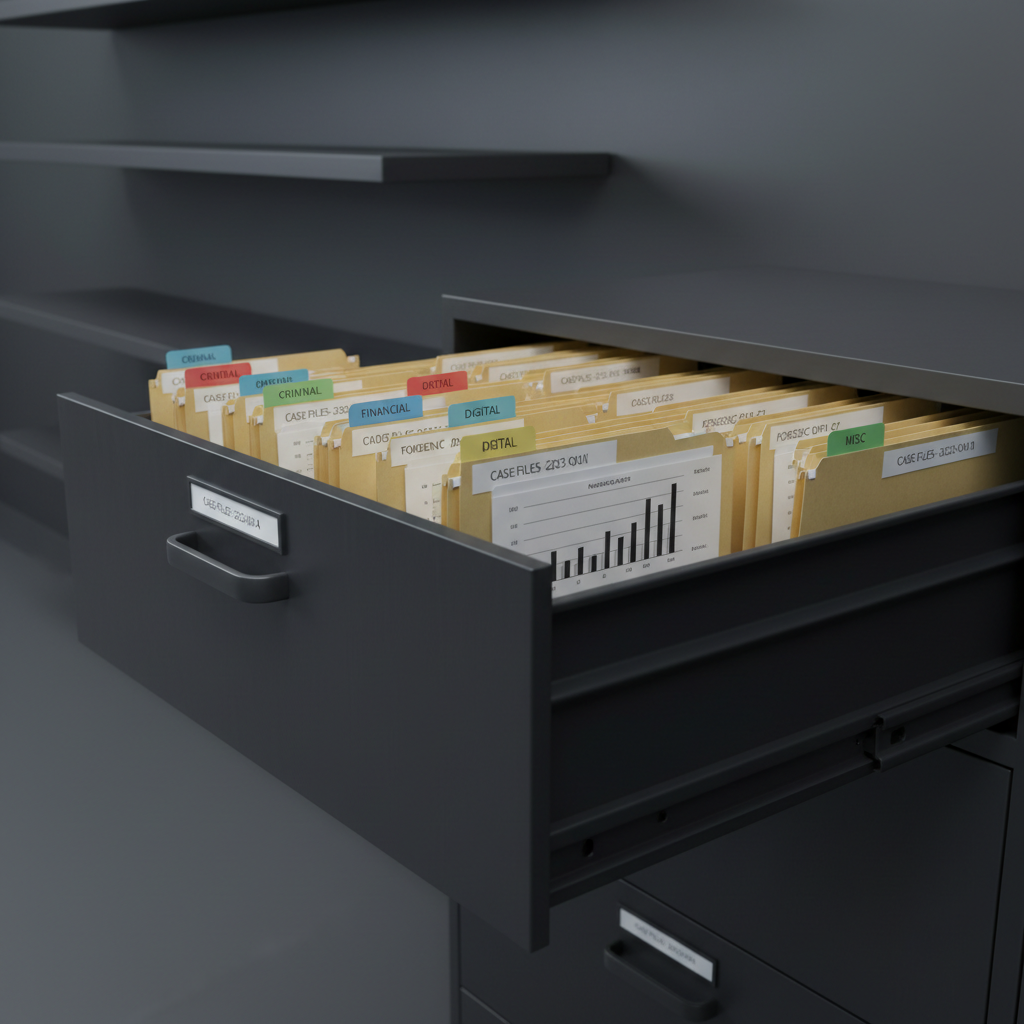
A close-up, photographic view of a dark metal filing cabinet drawer smoothly pulled open, revealing rows of uniformly labeled, unbranded manila folders arranged with precise alignment. Some folders contain neatly stacked printed charts and grayscale graphs, partially visible, with colored index tabs marking different evidence categories. The cabinet stands in a minimalist archive room with matte charcoal walls and floating shelves in the softly blurred background. Cool, diffused overhead lighting creates gentle reflections on the metal edges and soft shadows inside the drawer. Shot from a slightly elevated angle with moderate depth of field, the mood is orderly, methodical, and serious, reinforcing the idea of a disciplined critical evidence library.

Aarav Sharma

CEO

Leads case selection and ensures every study meets documented, peer-reviewed evidence standards.
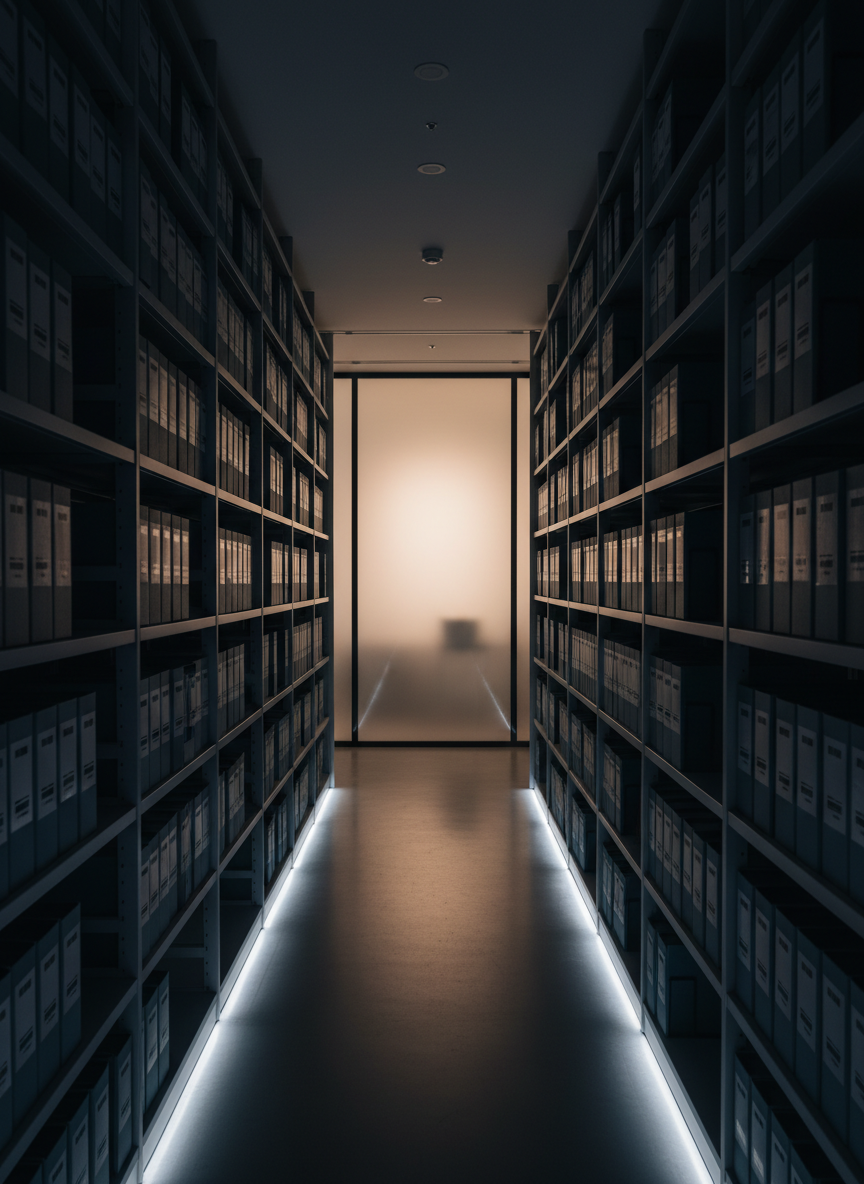
A deep, photographic perspective down a narrow aisle of modern archive shelves in a dimly lit, high-tech records room. The shelves, finished in matte graphite, are filled with uniform archival boxes and binders in muted grays and blues, each with simple, non-text labels. At the end of the aisle, a large frosted glass panel glows softly, hinting at a research workspace beyond. Subtle LED strip lighting runs along the floor edges, casting low, linear highlights and controlled shadows that emphasize depth and symmetry. Captured at eye level with strong leading lines and sharp focus throughout, the mood is serious, methodical, and quietly intense, representing the site’s topic library of critical case studies.

Mateo García

CTO

Oversees fact-checking, source verification, and citation integrity across all published case studies.
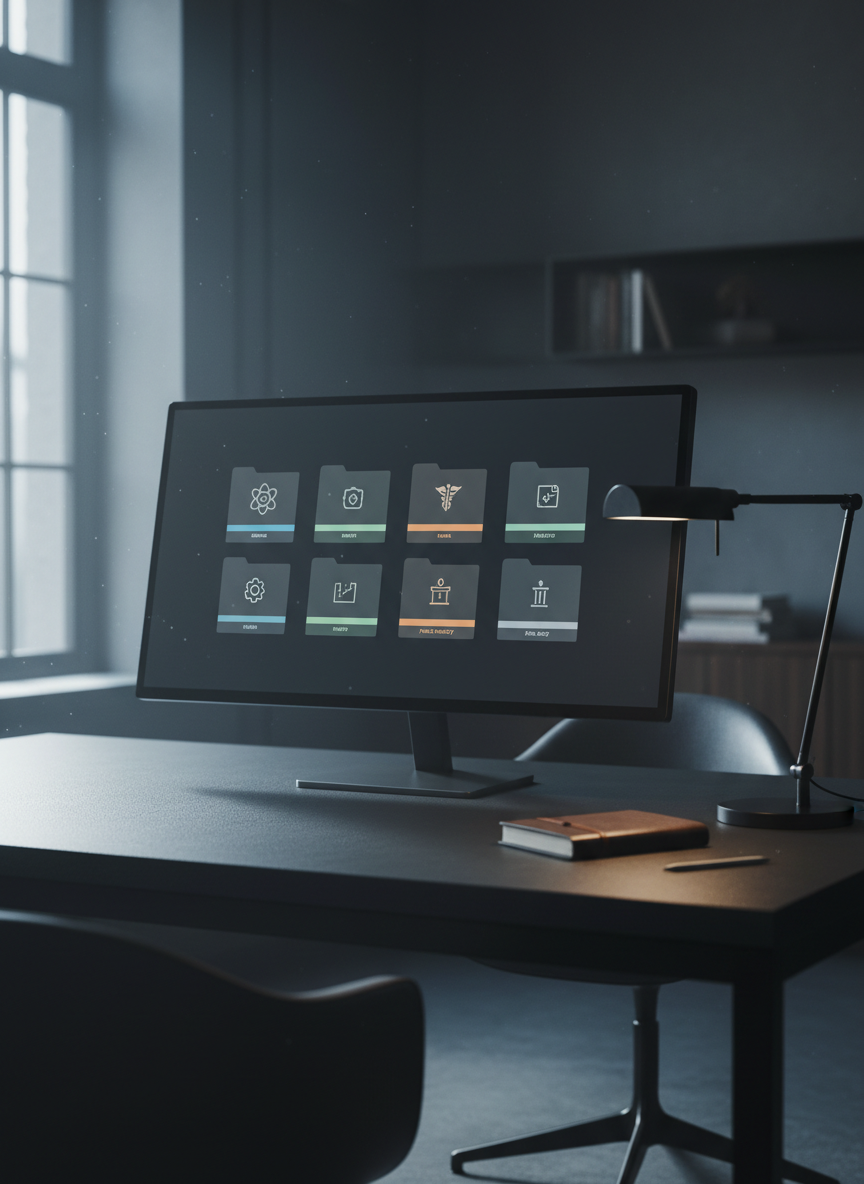
A wide, cinematic view of a dark, elegant digital archive interface displayed on a large, ultra-thin monitor resting on a matte black desk. The screen shows a grid of neatly organized case folders represented by simple, abstract icons and neutral color-coded bands, suggesting topics like science, health, industry, and public policy without any text. Soft, cool-toned light from a nearby window grazes the desk surface, revealing subtle dust motes and the fine texture of the materials. A single adjustable desk lamp adds a focused pool of warm light. Photographic realism, eye-level composition, clean and modern aesthetic, with a calm, analytical atmosphere and sharp focus throughout, emphasizing seriousness and evidence-based research.

Zuri Ndlovu

Engineer

Coordinates external reviewers, integrating specialist feedback into revisions and methodological transparency notes.

A meticulously arranged, photographic still life of evidence-based research materials on a dark wooden desk: a laptop showing abstract, multicolored network diagrams, a stack of peer-reviewed journal facsimiles with visible but unreadable formatting, a clear ruler aligning a printed timeline, and a pair of plain, unbranded reading glasses folded neatly beside them. The background shows a softly blurred, floor-to-ceiling bookshelf filled with neutral-toned binders and reference volumes. Warm, directional desk-lamp lighting pools over the workspace, creating gentle highlights on paper and metal edges, with cooler ambient light from an unseen window balancing the scene. Shot from a three-quarter angle with moderate depth of field, the atmosphere is scholarly, rigorous, and analytical, ideal for an About or methodology page.

Leila Haddad

Designer

Develops taxonomy, metadata standards, and search tools to make complex evidence easily navigable.

Contact Library

Educators, students, and researchers can request materials, share syllabi, or propose new documented case studies.

← Back

Thank you for your response. ✨